
LATEST NEWS: The Next Clinical AI Challenge Isn't More Intelligence. It's Less Friction. READ MORE

See deterioration earlier using reliable cardiovascular intelligence software across the bedside, enterprise and virtual care.
.png)
.png)
.png)

.png)


Patients often begin to deteriorate before changes appear in standard vital signs. In cardiac surgery patients, nearly 70% of low cardiac index (blood flow) time occurs while blood pressure remains normal.
Delayed recognition drives ICU escalation, organ injury, and hospital harms such as acute kidney injury. Beginning in 2027, acute kidney injury will be tracked as a hospital harm tied to reimbursement.
Traditional monitoring systems can be invasive, unreliable in unstable patients, and rely on expensive hardware and disposable sensors, limiting deployment to select beds and specialized units.
We founded Retia to remove these barriers.
We transform routine physiologic signals into deployable software-driven insight and make reliable cardiovascular intelligence available wherever care is delivered. Our Story →

Patient safety improves when clinicians have timely insights – not just alarms.
Retia's software runs on top of existing monitoring and tele-ICU platforms,
transforming real-time physiologic data into enterprise-wide cardiovascular insight.
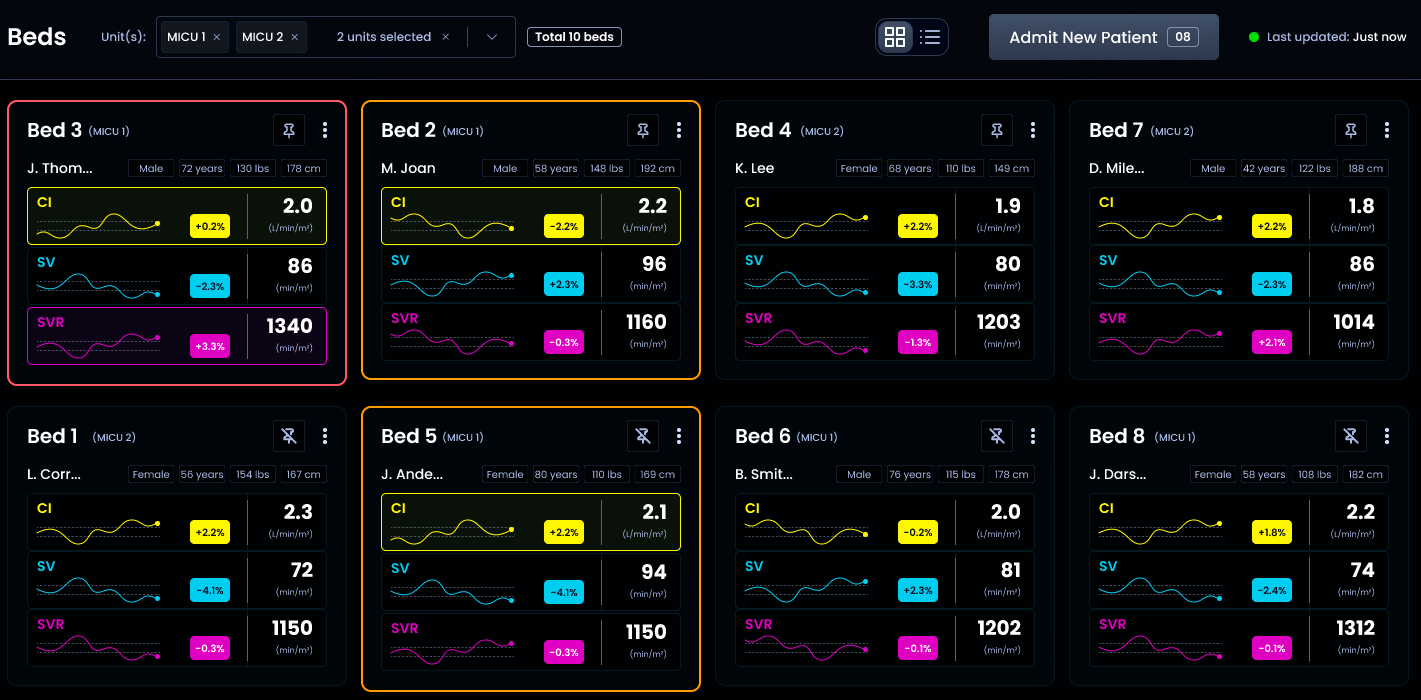
Enterprise cardiovascular surveillance
Deploys the Argos algorithm across hospitals and health systems
Enables centralized surveillance and analytics
Built for digital care environments, including tele-ICUs and digital ORs
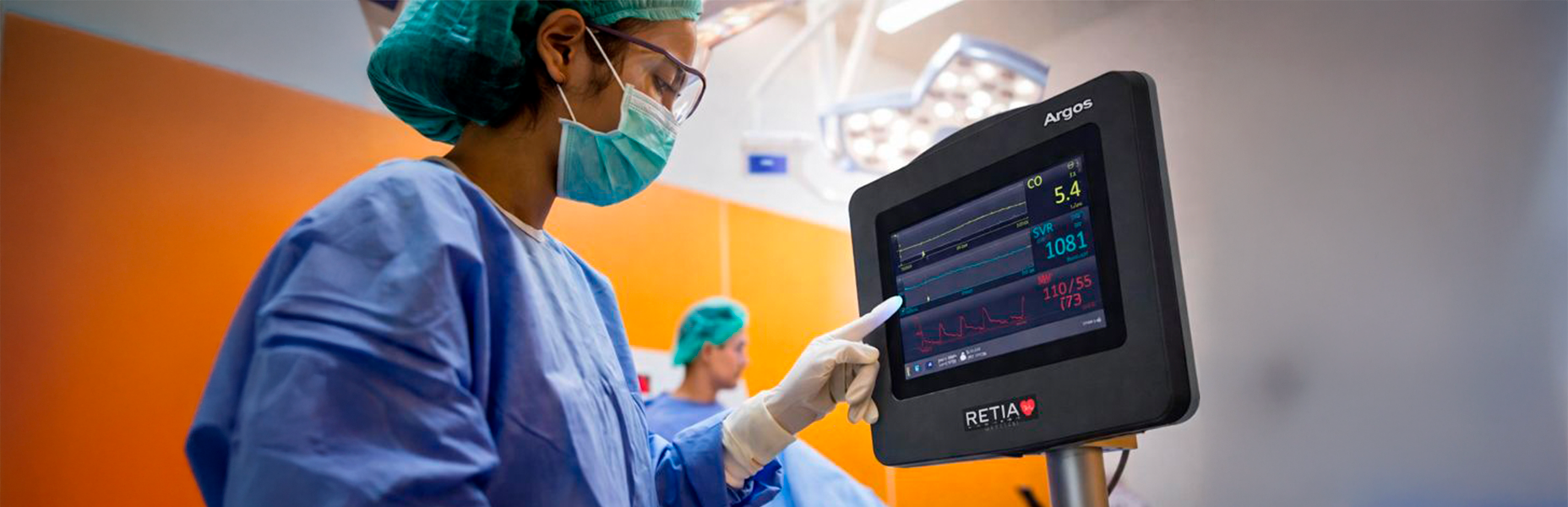
Bedside cardiovascular intelligence
Reliable hemodynamic insight at the point of care
Designed for routine clinical use
Trusted in the OR and ICU
Retia's Multi Beat Analysis algorithm transforms routine physiologic signals into reliable, actionable cardiovascular insights at the bedside and across health systems.
Designed to perform in clinical scenarios where traditional approaches struggle:
Validated in 14 peer-reviewed clinical studies.
Learn more about the clinical evidence"The Argos remains precise across a myriad of conditions and in my experience, is superior to other cardiac output monitors on the market."

Dr. Benjamin Kohl
Vice Chair of Critical Care, Thomas Jefferson University
Retia integrates into everyday clinical workflows and supports teams wherever cardiovascular instability can occur.


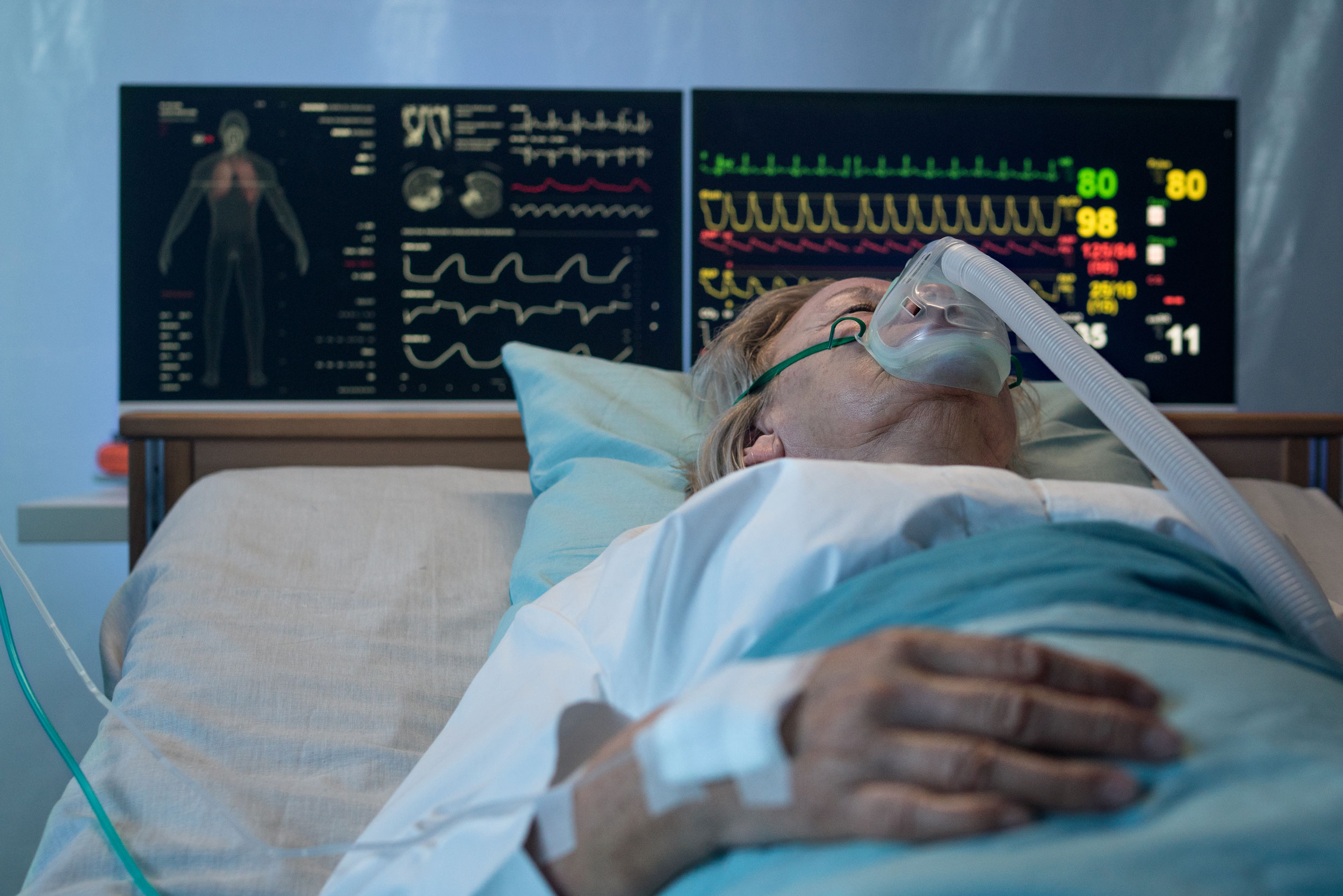
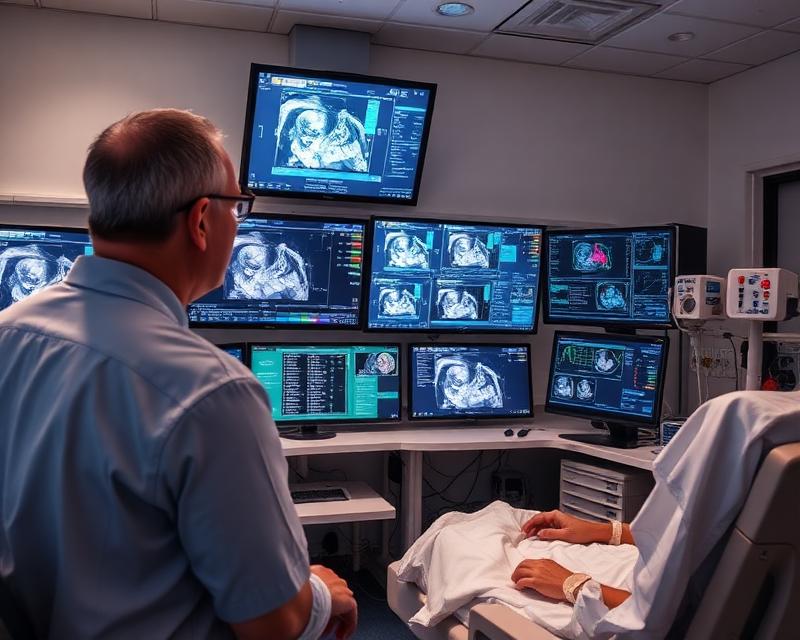
Retia transforms routine physiologic signals into reliable cardiovascular intelligence using clinically validated, physiology-based algorithms. Delivered through modern software architectures, this intelligence integrates into real-world workflows and scales across beds, units, and populations.
Designed for intuitive, routine use, minimizing setup complexity and preserving clinician attention for patient care.
The Multi-Beat Analysis (MBA™) algorithm analyzes existing biosignals already available at the bedside. Clinically validated across diverse patient populations and challenging conditions.
Learn MoreDrive operational efficiencies and minimize infection risks with predictable costs.
High-risk populations: Sepsis, transplants, cardiac and vascular surgery, trauma, burns, neurocritical care, and other conditions where early cardiovascular insight matters.
Request a demoEarlier insight into cardiovascular instability allows clinicians to intervene with greater precision and confidence, supporting patient safety while enabling broader deployment across health systems.
Earlier recognition and characterization of shock and instability
Therapy tailored with better physiologic understanding
Predictable operating costs without reliance on proprietary disposables
This represents a shift from limited, episodic monitoring
to accessible, system-wide cardiovascular insight.
Whether at the bedside or across a health system, Retia helps clinicians recognize instability sooner, understand it better, and protect patients more effectively.